

WRC
Alghero base for Rally Italia Sardegna
The FIA World Rally Championship will return to Alghero for Rally Italia Sardegna this season, with the gravel fixture running from 1 – 4 October as the penultimate round of 2026.
Marking the 23rd edition of the island classic, the rally moves back to the historic Coral Coast city after a year in Olbia. It will be the 10th time Alghero has served as host since first welcoming the WRC in 2014.
The service park will once again be based on Lungomare Barcellona, just metres from the Mediterranean, while the ceremonial finish is planned beneath the city’s ancient bastions - one of the championship’s most distinctive podium backdrops.
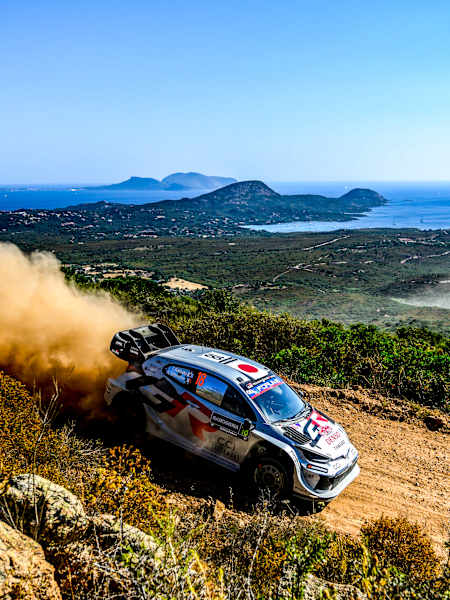
For only the fourth time in its history, Sardinia will occupy an autumn slot. Previous late-season editions came in 2004, 2012 and the pandemic-affected 2020 campaign. An October date brings the potential for cooler temperatures and variable conditions, adding another layer of complexity to roads already famed for punishing rock, deep ruts and harsh tyre wear.
As ever, the Italian island is expected to play a decisive role in the title fight. With just one round remaining after Sardinia, championship ambitions will be firmly on the line across its abrasive gravel stages. The event also represents the final European appearance for the current generation of Rally1 machinery before revised top-tier technical regulations are introduced for 2027.
Organisers have confirmed a targeted route update for 2026, retaining the rally’s defining character while adapting logistics around Alghero, with more details set to be revealed over the coming weeks.
Rally Italia Sardegna's WRC history is rich with late drama. In 2018, Thierry Neuville overhauled Sébastien Ogier on the final stage to win by just 0.7sec, while the 2024 edition produced a two-tenths-of-a-second margin between Ott Tänak and Ogier — one of the closest finishes in WRC history.
