DCSIMG
 

Language


FIA


The cars


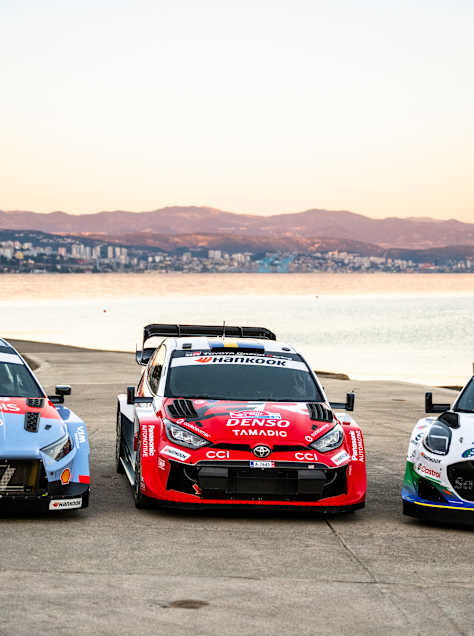
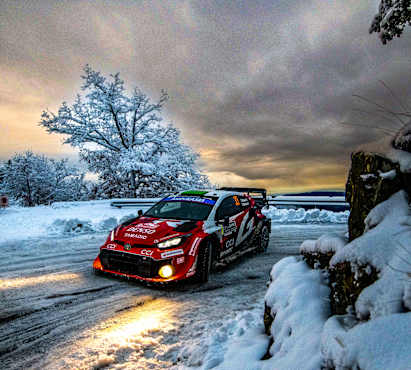
World Rally Cars are not ordinary cars. Far from it. They are the super-heroes of cars, capable of extraordinary feats.

World Rally Cars are also all new for 2011 as a new era of technical regulations are ushered in for this season.

The machines are still based on four-cylinder turbocharged production models but the two-litre engines of old have been replaced by a 1.6-litre unit.

While they look similar to the ones you might see in your local car showroom, just about everything about them is different.

FIA rules say that WRC cars must be based on a standard road car bodyshell. For WRC use it is stripped to the bare metal and then completely rebuilt. All unnecessary brackets and mounting plates are removed to save weight and a tubular steel roll-cage is welded in. After around 700 hours of work, the shell emerges vastly stronger and stiffer than before. Most WRC cars could support the weight of 10 road cars.

The FIA requires all WRC engines to have a 34mm restrictor in the air intake, which holds down power output to around 300bhp. The cylinder block and head(s) must be based on those in the standard road car, but the crankshaft, con-rods, pistons, cylinder linings, valves and camshafts can be modified. Typical turbo boost is 4-5 bar - compared with up to 1 bar for an average road car - while anti-lag systems mean the turbocharger delivers maximum boost from tick-over. The result is massive torque - typically more than 600Nm - about the same as a Ferrari Enzo.

All WRC cars have four-wheel drive and sequential gearboxes. The cars have a clutch, but the driver tends to only use it to move off from a standing start.

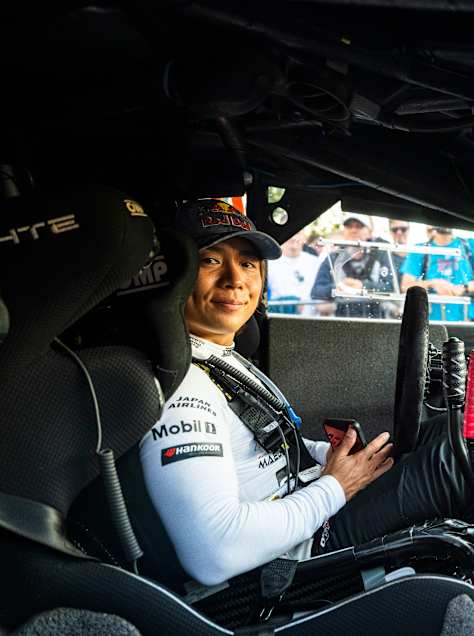
Inside a WRC car there is no fancy upholstery or elaborate trim - just painted metal, composite panels and two carbon fibre seats, moulded to fit the driver and co-driver perfectly. There’s no room in the back - the tubes of the roll cage take up the rear passenger space - and the floor is pretty crowded because everything the car needs to carry, such as a fire extinguisher, tool kit and spare wheel, is bolted to - or under - it to keep the centre of gravity as low as possible.

WRC rules allow spoilers and other aerodynamic aids that you will not see on a road car. These are designed to manage the airflow around the car to cool mechanical components - like engines and brakes - and keep the car planted firmly on the road - or level in flight.

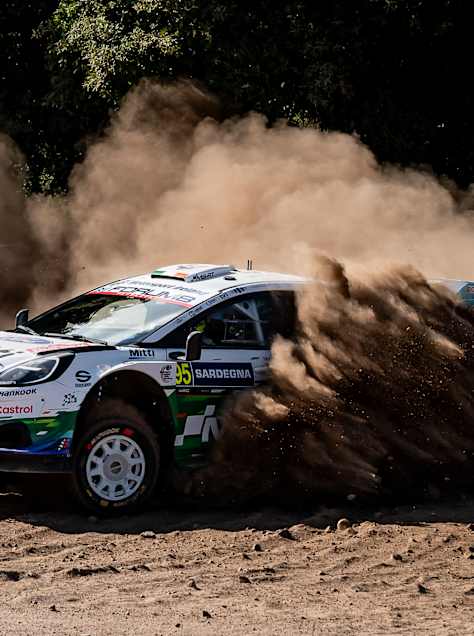
The result is a car that reaches 100kph in around three seconds on all surfaces and can - in the right hands - power slide between the trees on a narrow gravel track under full control at 200kph-plus.


Listen Live
Michelin
Certina
Volkswagen
Citroen


WRC - FIA World Rally Championship
 

FIA World Rally Championship International Partners

FIA World Rally Championship International PartnersCertina Swiss WatchesMichelin


WRC.com

FAQ Accessibility Privacy Policy Terms and Conditions Contact Us

© FIA 2013 Images: McKlein FIA

Site by REDSPY