

WRC
Helmet cam brings driver's-eye view to WRC for first time in Sardinia
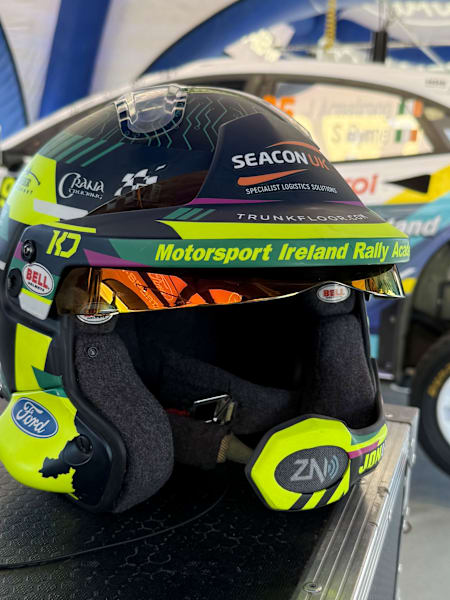
Fans were brought closer than ever to the action at Rally Italia Sardegna as Jon Armstrong became the first driver to carry an integrated helmet camera in WRC competition.
The new camera made its debut aboard Armstrong and Shane Byrne’s M-Sport Ford Puma Rally1, giving viewers a genuine driver’s-eye perspective of Sardinia’s fast and unforgiving gravel roads.
After an initial trial during Thursday’s shakedown, the system remained in use across the weekend, with footage incorporated into Rally.TV coverage. Fans can now also watch Armstrong tackle the entirety of Sunday’s SS14 from the helmet-cam perspective.
Unlike WRC’s familiar fixed onboard cameras, the view moves with Armstrong’s head, showing where his attention is focused as corners, crests and braking points approach. With Byrne’s pace notes alongside it, the footage gives a different insight into the workload inside a top-level WRC car and the speed at which information has to be processed.
For Armstrong, though, the camera itself was barely noticeable.
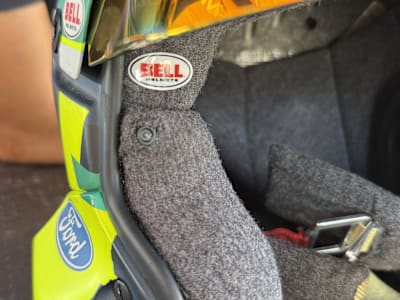
“It’s really cool to see, and it’s such a small camera that it doesn’t annoy you at all,” he explained. “You wouldn’t know that it’s there.”
© WRC
Sardinia marked an important step for a project WRC has been exploring for more than two years.
Development work on a driver’s-eye camera began in 2024, with one of the key objectives being to create a stable and usable image in the particularly demanding environment of a rally car. Similar technology has since become familiar to viewers of Formula 1, but until Sardinia a helmet-integrated system had not been used during a WRC event.
The FIA-approved camera carried by Armstrong provided the opportunity to put that work into competition for the first time.
Following the successful first outing, helmet cameras are planned to feature more widely during the 2027 WRC season, opening the door to driver’s-eye views from more crews across the championship.


