Language


The drivers


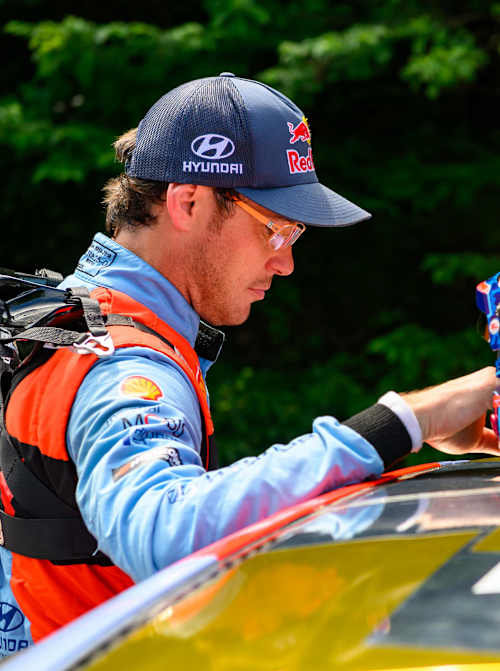
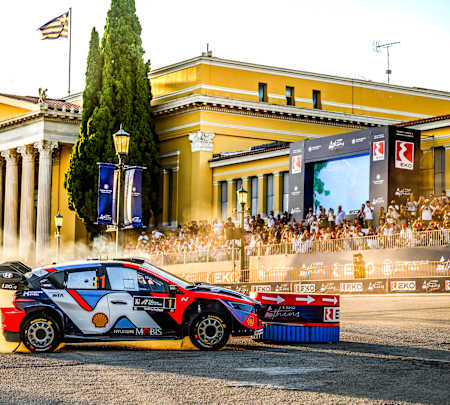
Competitors in the World Rally Championship (WRC) are among the best drivers in the world. In fact, many motorsport aficionados would argue that they are absolutely, definitely, the world's best.

1 2>

After all, which other form of motorsport requires drivers to compete on roads covered in snow, ice, gravel, asphalt, mud or rocks - and in all weather conditions? Then there's the endurance element; three long days of competition mean thousands of kilometres at the wheel and an awful lot of time spent strapped tightly into the car. But relax for a second and they could be in trouble. The WRC pushes mental concentration and physical fitness to the limit.

There's also the skill and nerve required to drive flat-out on some of the most unforgiving roads in the world. Whether speeding through forests, along cliff edges, or dodging snow banks, ditches or rocks the size of wardrobes, there is no room for error. There are no gravel traps in the WRC, and no pit-crews nearby to patch things up either. If a car is damaged, the chances are the driver and co-driver will be the ones left to try and fix it. So they need to be pretty good at do-it-yourself too.

Unlike most other forms of motorsport, rally cars carry two people - a driver and a co-driver. The co-driver, who sits in the front passenger seat, provides the driver with a running commentary on what's coming up on the road ahead.

At every rally, drivers and co-drivers spend two days practising or, to, use official terminology, reconnoitring the route in recce cars - standard road cars with added safety features. The organisers stipulate a maximum speed of 50-70 kph for the recce and the crew are allowed two runs through each stage. On the first run the driver calls out what he sees on the road - the severity of each corner, and the position of every crest, bump and change of road surface - while the co-driver makes pace notes of the comments, pencilling them into a tailor-made notebook in shorthand. On the second run the co-driver reads the pace notes back to the driver. Any misunderstandings are clarified there and then until the meaning is crystal clear.

Rallies will sometimes re-use a stage from previous years, but drivers and co-drivers still recce them, because over time, re-routing and re-grading can completely change the character of a special stage.

On the day before the rally, the crew get the opportunity to check their car during shakedown - a test on a piece of road usually with similar characteristics to the special stages.

1 2>
 

Listen Live
Citroen
Ford
Mini


WRC - FIA World Rally Championship
 

FIA World Rally Championship International Partners

FIA World Rally Championship International Partners DelphiEDOXMichelinNokia


WRC.com

FAQ Accessibility Privacy Policy Terms and Conditions Contact Us

© FIA 2012 Images: Mcklein FIA

Site by REDSPY